Apple Discontinues Entry-Level Mac Mini with 256GB SSD, Base Price Jumps to $799
Breaking: Apple Halts Sales of 256GB Mac Mini
Apple has permanently removed the 256GB storage option for the Mac mini from its configurator worldwide, effectively raising the starting price of the desktop computer to $799. The entry-level model previously sold for $599 with the M4 chip, 16GB RAM, and 256GB SSD.
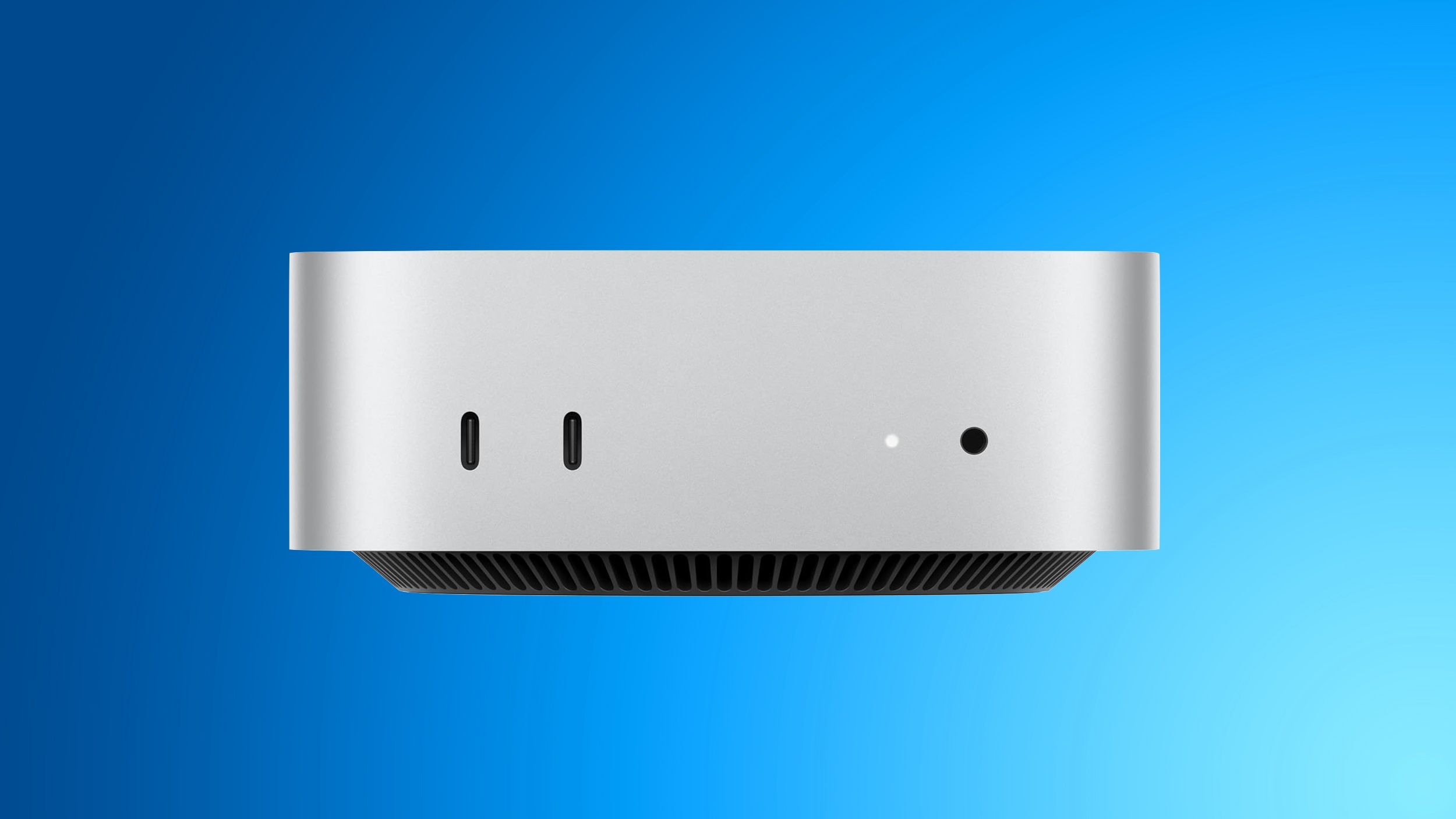
Customers seeking the $599 configuration can no longer order it from Apple, and the company has not announced any replacement at that price point. The 512GB model, now the base, has always started at $799.
Supply Constraints and CEO Comments
During an earnings call this week, Apple CEO Tim Cook acknowledged that both the Mac mini and the Mac Studio are supply-constrained. He said it may take 'several months' for Apple to achieve supply-demand balance. Cook described these Macs as 'amazing platforms for AI and agentic tools,' citing higher-than-expected demand.
He noted that Apple is expecting 'significantly higher memory costs' in the current quarter, attributing the pressure to a global memory chip shortage driven by companies building out AI server facilities.
Background
The 256GB Mac mini had been unavailable to order since last week, but its removal from Apple's online configurator marks a definitive end. The change affects customers who wanted the lowest possible price for a new Mac mini. The M4 Pro configurations already started at 512GB, so their pricing remains unchanged.
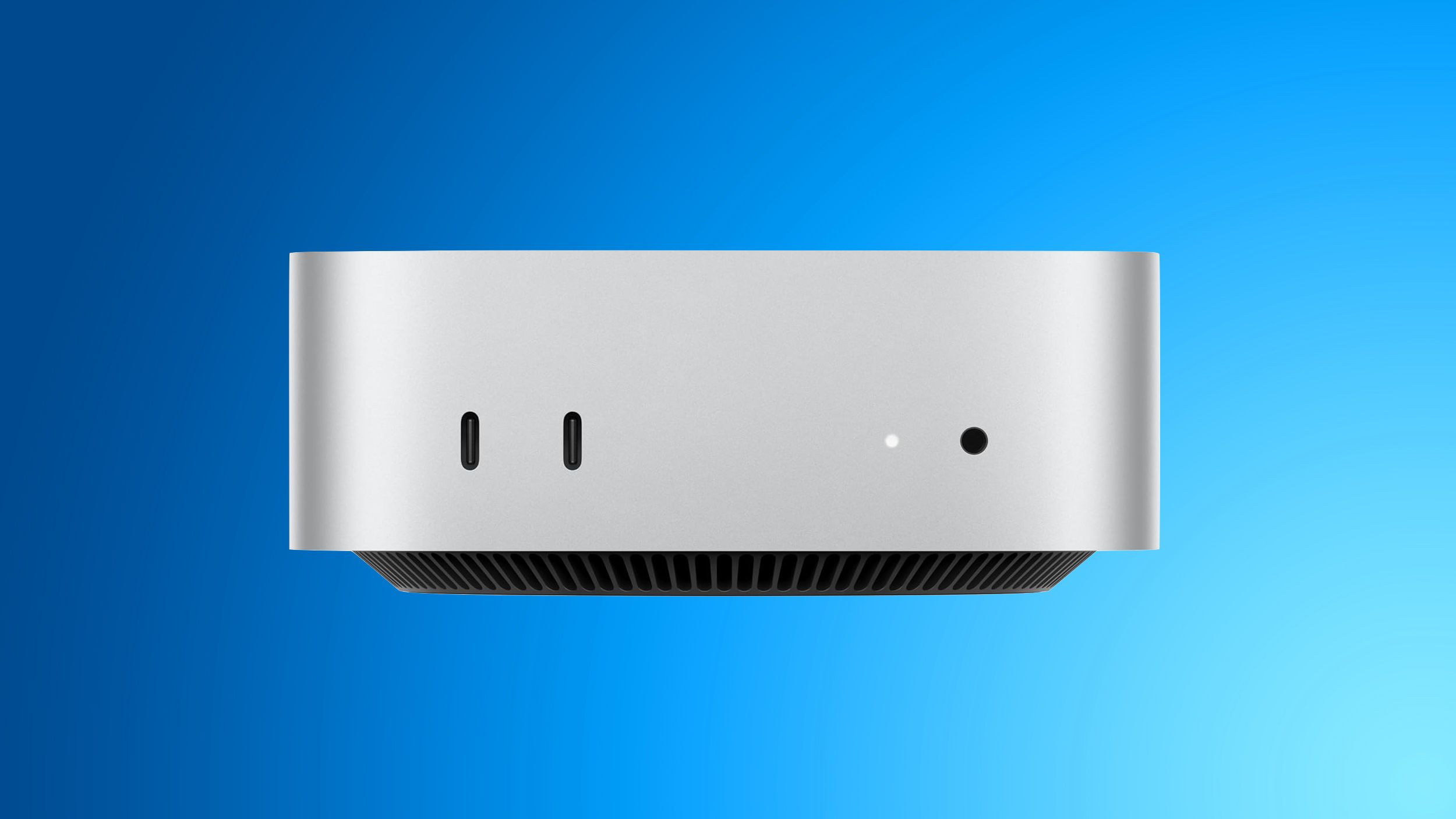
In a related move, Apple in March stopped offering the Mac Studio with 512GB of RAM. These shifts indicate a broader strategy to streamline storage options amid rising component costs and supply pressures.
What This Means
The elimination of the 256GB tier means that consumers looking for a budget-friendly Mac mini must now pay $200 more, or turn to refurbished or third-party retailers. This could push some buyers toward the MacBook Air or Mac mini alternatives, although no official replacement is expected at the $599 price point soon.
Analysts note that tighter RAM and storage availability forces manufacturers to prioritize higher-margin configurations. Apple's decision underscores the industry-wide memory shortage and the company's focus on delivering AI-ready hardware with double the base storage and memory.
We have reached out to Apple for additional comment and will update this story if more details emerge.
Related
Related Articles
- The Role of SPIFFE in Establishing Trust for Autonomous AI and Non-Human Entities
- Strategic Diversification: How Apple and Intel Are Reshaping the Global Chip Supply Chain
- Upcoming Changes to Rust's CUDA Target: New Minimum Requirements for GPUs and Drivers
- Samsung 990 Pro 2TB SSD Drops to $429.99: A $200+ Discount from Recent Highs
- 10 Ways Intel's Apple Chip Deal Reshapes the Windows PC Landscape
- AMD RDNA 4 Entry-Level GPU Leak: RX 9050 Rumored with 8GB VRAM and 2048 Cores
- Retro Macintosh Dock for M4 Mac Mini Adds Vintage Flair with 5-Inch Display and NVMe Slot
- Intel's Wildcat Lake Budget Laptops: Pricing, Availability, and Key Features Explained