The New Geosynchronous Arms Race: 5 Things to Know About US, China, and Russia's Space Spy Games
The world's leading space powers are engaged in a quiet but intense competition high above the equator. Geosynchronous orbit (GEO) – a unique orbital band 22,000 miles above Earth – has become a strategic treasure chest for communications and surveillance. Over the past decade, the United States has maintained a fleet of stealthy inspector satellites. Now, China and Russia have joined the game, and the US Space Force is preparing to ramp up its own capabilities. Here are five key developments in this orbital arms race.
1. Why GEO Is a Prime Real Estate in Space
Geosynchronous orbit sits approximately 36,000 kilometers (22,000 miles) above the equator. At this altitude, a satellite completes one orbit every 24 hours, matching Earth's rotation. This allows it to hover over the same spot on the ground, a phenomenon known as geostationarity. Such fixed positioning is invaluable for communications, weather monitoring, and military surveillance. Commercial telecom satellites occupy specific slots in GEO to provide uninterrupted services to customers. Military satellites use these slots for secure communications and early warning systems. The limited number of available slots makes GEO a highly contested region. Any nation that can monitor or interfere with another's satellite in this exclusive neighborhood gains a significant strategic advantage. Understanding GEO's physics is key to grasping why superpowers are investing heavily in inspector satellites.
2. The US Has Been Operating Inspector Satellites for Over a Decade
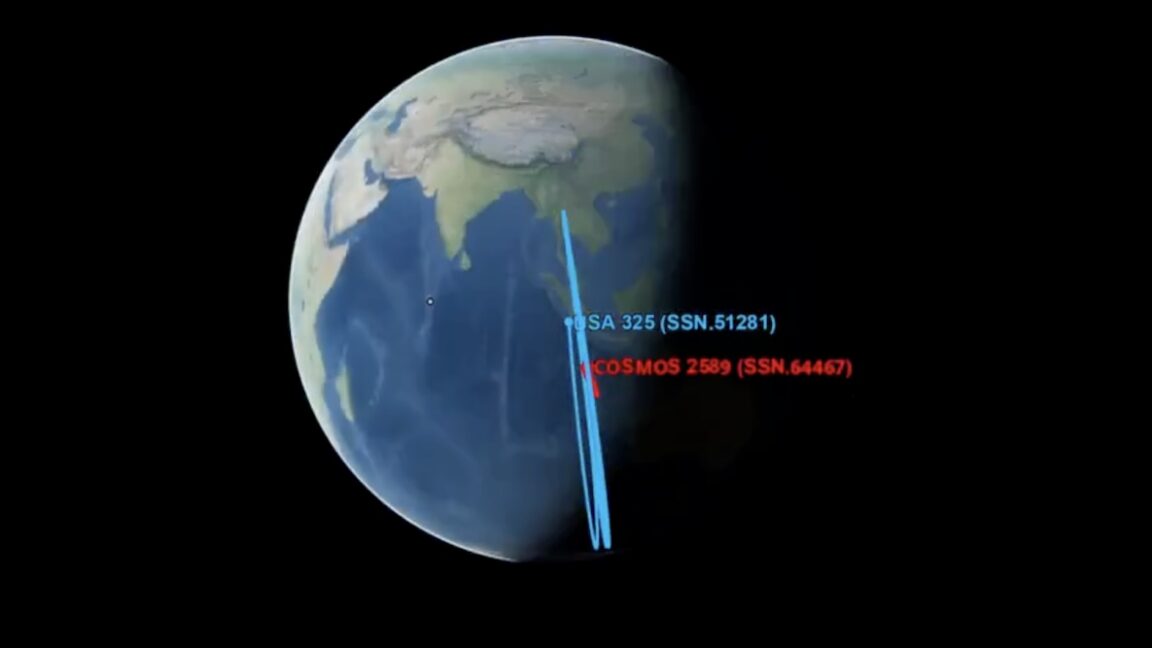
The US military has long maintained a fleet of classified “inspector” satellites designed to sidle up to other spacecraft in GEO and take high-resolution images. These robotic vehicles can maneuver close to an object, assess its condition, and even detect potential threats. The first of these missions, known as the Geosynchronous Space Situational Awareness Program (GSSAP), began operations around 2014. The satellites operate from a nearby orbit, periodically moving in for a closer look. The US has publicly acknowledged this capability, emphasizing its role in maintaining space safety and security. However, observers note that the same technology could be used to disable or damage another country’s satellite if needed. This dual-use nature fuels suspicion among rivals. The US fleet remains active, with multiple GSSAP units still on orbit, providing continuous coverage of the crowded GEO belt.
3. China Entered the GEO Surveillance Game in 2018
Not to be outdone, China launched its first suspected inspector satellite in 2018. The spacecraft, part of the Shijian-20 series, demonstrated the ability to approach and orbit around other geosynchronous satellites. Chinese state media have not disclosed full details, but independent analysts have observed maneuvers that mirror US GSSAP operations. Beijing’s entry into this field signals a strategic shift: it now has the capacity to monitor American and allied satellites in real time. The Chinese system is believed to be less mature than the US fleet, but it represents a rapid catch-up effort. In addition to inspection, these satellites could theoretically be used for electronic warfare or even kinetic attacks. China’s growing presence in GEO underscores the increasingly crowded and scrutinized nature of this orbital region, where every nation wants to know what the others are doing.
4. Russia’s Suspected Attack Satellite Just Arrived
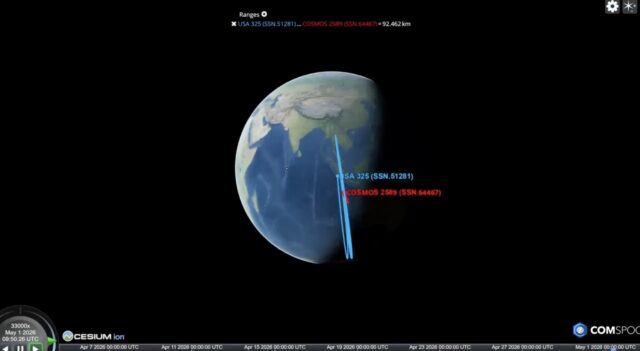
In recent months, a new player has entered the GEO surveillance arena: Russia. A spacecraft launched in late 2023 has been tracked performing unusual maneuvers near other satellites, leading experts to label it a probable inspector or even a potential attack satellite. Russian officials have not commented on the mission’s specifics, but the pattern of movement is consistent with previous “sub-satellite” activities in lower orbits. This marks Russia’s first known foray into GEO inspection, expanding its space warfare toolkit beyond low Earth orbit. The arrival of this satellite raises the stakes, as it could not only photograph but also jam or physically interfere with its neighbors. The US Space Command has publicly expressed concern, calling the behavior “potentially destabilizing.” With three major powers now prowling GEO, the risk of accidental collisions or intentional provocations is higher than ever.
5. The US Space Force Is Planning Even More Spy Satellites
In response to these developments, the US Space Force is poised to order additional reconnaissance satellites for GEO. The new procurement, likely an expanded GSSAP contract, could double or triple the current fleet size. Officials argue that more “eyes” are needed to maintain space domain awareness as rival nations field their own inspectors. The additional satellites will carry improved sensors and possibly offensive capabilities, though those details remain classified. Industry sources indicate that the Space Force expects to award contracts within the next year, with an accelerated deployment schedule. This move signals a long-term commitment to dominating GEO surveillance. Critics warn that an arms race in space could spiral, leading to the weaponization of a domain that has historically been used only for peaceful purposes. Nevertheless, the US appears determined to stay ahead, ensuring it can monitor any threat before it becomes a crisis.
The race to monitor geosynchronous orbit is heating up. As each nation expands its fleet of inspector satellites, the potential for misunderstandings or outright conflict grows. Space, once seen as a peaceful domain, is now a contested environment. Understanding these moves is crucial for grasping the future of space security.
Related Articles
- How the Pentagon Secures AI Technology: A Step-by-Step Guide to Defense Procurement Contracts
- Budget-Friendly Deep-Sea Drones Poised to Revolutionize Ocean Science and Resource Extraction
- How Researchers Unlocked the Secrets of a Rare Anti-Cancer Plant Compound
- How the U.S. Space Force Aims to Deploy Golden Dome Space-Based Interceptors by 2028
- 10 Essential Facts About Amazon WorkSpaces for AI Agents – A New Era of Desktop Automation
- Fast16: A Stealthy State-Sponsored Sabotage Malware Targeting High-Precision Calculations
- Astronomers Unveil Massive Halo Surrounding Sombrero Galaxy in Striking New Image
- Frontier AI Models Corrupt Documents in Secret, Microsoft Study Finds – 25% Error Rate