7 Ways This South Dakota Hospital-Hotel Is Revolutionizing Patient Care
In rural South Dakota, where winding highways can stretch for miles and the nearest medical facility might be hours away, a groundbreaking hybrid building is changing how patients prepare for surgery. The Sanford Orthopedic Hospital & Highpoint Hotel in Sioux Falls isn't just a place to undergo procedures—it's a place to rest, recharge, and avoid the anxiety of a long drive before a big operation. Here are seven key things you need to know about this innovative hospital-hotel concept.
1. A Hospital and Hotel Under One Roof
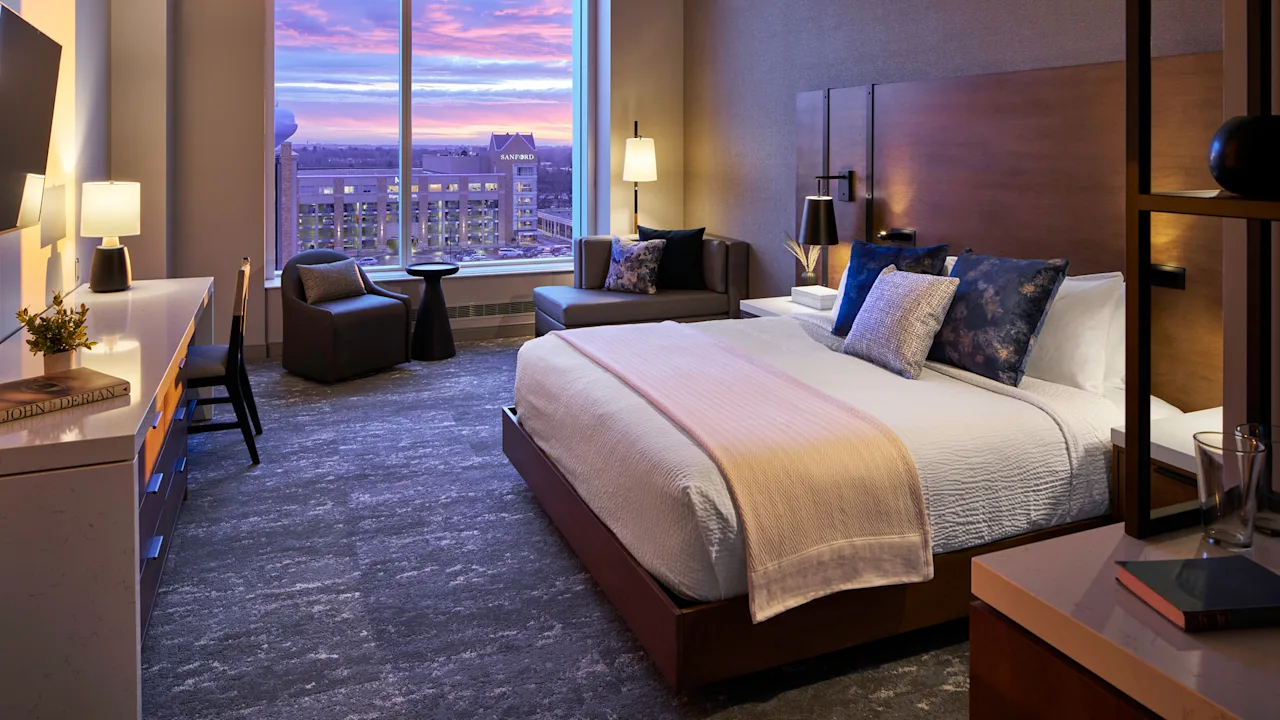
At first glance, the nine-story structure seems like any modern medical center: 12 operating rooms, 19 inpatient beds, and an intraoperative MRI suite. But its top two floors are something else entirely—a full-service hotel with 56 rooms, a bar and restaurant, a sky lobby with a fireplace, and panoramic views of Sioux Falls. This isn't a generic lodging placed next door to a hospital; it's a unified campus where patients can literally take an elevator from their hotel room to their surgery suite. According to Luis Zapiain, director of hospitality at HKS (the architecture firm that designed the building), the integration goes beyond convenience: “Hotels in close proximity to hospitals is nothing new… but they’re just a place to stay. Sanford wanted an elevated experience they could operate themselves and offer patients in a holistic way.”
2. Ending the Cross-State Commute for Care
For many South Dakotans, a trip to a specialist means driving halfway across the state—sometimes from tiny towns like Faith or Dupree, hours from Sioux Falls. The hospital-hotel eliminates that stress by offering a comfortable overnight stay ahead of a procedure. “It's much more convenient for patients to go down an elevator ride for eight floors and check in for surgery than commuting across town or in some cases commuting hundreds of miles,” says Andy Munce, president and CEO of the Sanford Health Sioux Falls region. The design reflects a deep understanding of rural healthcare realities: every mile saved is a bundle of anxiety avoided.
3. Built by Two Teams, Blended Into One Experience
Most hospital projects are led by healthcare architects; most hotels by hospitality designers. Here, HKS brought both studios together from day one. Zapiain explains: “We had two separate teams doing the interior designs.” The result is a building that respects the distinct needs of a medical facility—sterile corridors, dedicated patient flow—while also offering the warmth of a boutique hotel. The sky lobby, for example, feels more like a mountain lodge than a clinical waiting area, with a fireplace and soft seating that encourages relaxation before surgery.
4. Reducing Stress With a Holistic Approach
Munce sees the hotel as an extension of the hospital's healing mission. “When they’re traveling for procedures, for subspecialty care, for ICU-type scenarios, they have a lot on their minds… It can be a very stressful situation,” he says. By providing a place to stay on-site, free from the worry of travel logistics, Sanford aims to lower patient anxiety, improve sleep before an operation, and ultimately support better outcomes. The hotel also hosts family members, who can rest while their loved one undergoes treatment—without having to search for local accommodations.
5. Distinct Design Languages for Different Zones
Designing a hospital-hotel requires carefully balanced aesthetics. The medical floors feature white walls, clear signage, and easy-to-clean surfaces—everything you'd expect from a modern surgical center. But the hotel spaces are intentionally different: subdued earthy colors, comfortable furniture, and indirect lighting evoke calm. Zapiain notes that “people expect certain things from a hospital, like cleanliness and professionalism, and other things from a hotel, like comfort and calm.” By keeping the two zones visually separate, the building respects both sets of expectations without one undermining the other.
6. A Rare Model for Rural Healthcare Innovation
Combining a hospital with a hotel is almost unheard of in the United States, especially outside major metropolitan areas. This project shows that rural health systems can think differently about patient amenities without inflating costs. Instead of asking patients to fend for themselves in a strange city, the hospital-hotel creates a seamless continuum of care. It also generates revenue from non-patient guests (the bar and restaurant are open to the public), which can help offset operational expenses. If successful, this model could inspire other rural hospitals to follow suit.
7. From Pre-Op Check-In to Checkout — All in One Place
Imagine arriving the night before a hip replacement, having dinner in the hotel's restaurant, sleeping in a comfortable bed, and then taking a short elevator ride to the operating room. After surgery, you recover in the inpatient unit, and family members can stay in the same hotel. The entire experience—pre-op, procedure, recovery, and family support—happens within a single building. “How can we as a health system help them?” Munce asks rhetorically. For patients who previously spent hours on the road and slept in unfamiliar motels, the answer is clear: by bringing the hotel into the hospital.
The Sanford Orthopedic Hospital and Highpoint Hotel represents a smart, patient-centered shift in healthcare delivery. It proves that a little hospitality goes a long way in healing.
Related Articles
- 7 Breakthrough Facts About the New DNA-Based Cholesterol Treatment
- Isomorphic Labs' $2B+ Fundraising: What It Means for AI-Driven Drug Discovery
- How to Seamlessly Transfer Your Fitness Data from Google Fit to Google Health
- Unlocking the Hidden Potential: A Step-by-Step Guide to Saving and Using Cannabis Leaves for Their Rare Compounds
- 8 Key Updates in Pharma: Obesity Drug Compounding, FDA Leadership Shift, and More
- Preserving the American Dream: A Call to Action
- Artificial Eggshell Breakthrough: Colossal's New Tool for Avian De-Extinction and Developmental Biology
- A Proven 12-Metric Blueprint for Evaluating Production AI Agents