Saudi Wikipedia Editor Osama Khalid's Sentence Slashed Again Amid International Outcry
Sentence Reduced to 14 Years After Dramatic Fluctuations
Saudi authorities have slashed the prison sentence of Wikipedia editor Osama Khalid to 14 years, down from a peak of 32 years, in a case that human rights groups call a glaring example of arbitrary sentencing. Khalid, now in his twenties, was first detained in July 2020 during a wave of arrests during the Covid-19 lockdown.
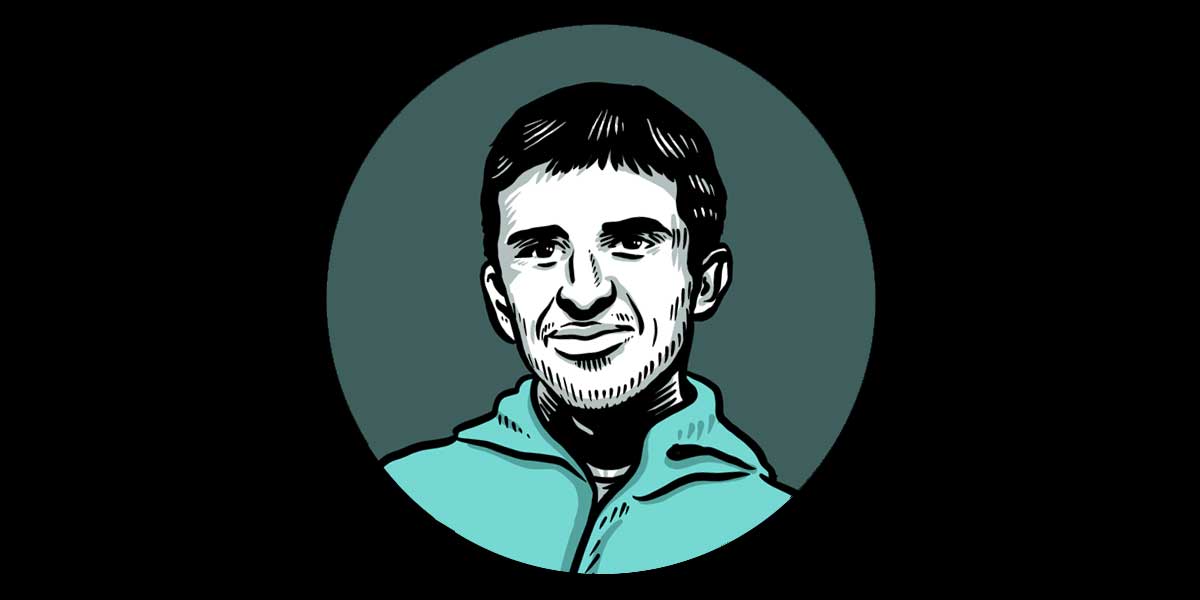
He initially received a five-year term, which was increased on appeal to 32 years, then reduced to 25 years in 2023, and again to 14 years this past September, according to the Electronic Frontier Foundation (EFF). The EFF, which has been advocating for his release, announced a new offline campaign to pressure Saudi officials.
Background: From Teenage Volunteer to Political Prisoner
Osama Khalid began contributing to Arabic Wikipedia at age 12, later becoming a prolific blogger and open-source advocate. He volunteered for projects including the EFF's HTTPS Everywhere and attended international conferences, all while training to become a pediatrician.
His alleged crime: sharing information online that contradicted official Saudi narratives. Khalid's Wikipedia pages covered critical human rights issues, including the treatment of women's rights activist Loujain al-Hathloul and conditions at al-Ha'ir prison. His now-removed blog included criticism of government plans to surveil encrypted platforms.
'Arbitrary Nature' of Saudi Sentencing
In a joint letter signed by the EFF in April, Saudi human rights organization ALQST stated: “The huge discrepancy between sentences handed down at different stages in the case underscores the arbitrary manner in which sentencing is carried out in the Saudi judicial system.” ALQST has led the campaign for Khalid's release.

Khalid's case is part of a broader pattern of targeting tech activists and dissidents. The EFF has previously campaigned for individuals like Ola Bini in Ecuador and Alaa Abd El Fattah in Egypt, noting that vague cybercrime laws and national security claims are used globally to silence critics.
What This Means: Free Expression Under Siege
This case reinforces the principle that writing code, sharing ideas, and criticizing governments should not be criminalized. The EFF argues that sustained public pressure and international solidarity can shift the political cost of repression.
Khalid's multiple sentence reductions hint at the impact of advocacy, but his continued imprisonment highlights the fragility of due process in Saudi Arabia. The EFF vows to keep working with ALQST to secure his release, emphasizing that attacks on free expression rarely respect borders.
Related Articles
- 10 Key Updates in Python 3.14.3 You Need to Know
- Evaluating National Digital ID Proposals: A Civil Society Guide to Protecting Privacy and Power
- 8 Key Updates in Android's April 2026 System Release You Should Know
- How to Cultivate Gratitude and Community Support for Lasting Impact in Tech
- Google's Pixel Voicemail Feature Set to Expand to More Android Phones and Dozens of New Markets
- How to Scale Your Cloud and AI Operations in Europe with Microsoft Azure
- Unveiling Estrogen's Influence on Trauma Memory: A Step-by-Step Guide to Understanding the Science
- Safari Technology Preview 242: Key Updates and Fixes