Revealing Japan's Hidden Ancestry: The Third Wave of DNA
For decades, the story of Japanese origins was neatly divided into two parts: Jomon hunter-gatherers and Yayoi rice farmers. But a massive genetic study has rewritten that narrative, uncovering a surprising third ancestral group linked to the ancient Emishi people of northeastern Japan. This groundbreaking research also reveals how DNA from our ancient cousins, the Neanderthals and Denisovans, lingers in modern Japanese genomes and influences health risks like diabetes, heart disease, and cancer. Let's dive into the questions this discovery raises.
What is the traditional dual-origins theory of Japanese ancestry?
The dual-origins theory has been the standard model for understanding Japanese ancestry for decades. It proposes that the modern Japanese population descends from two main groups: the Jomon, hunter-gatherers who inhabited the Japanese archipelago from at least 16,000 years ago, and the Yayoi, wet-rice farmers who migrated from the Korean Peninsula around 3,000 years ago. This theory was based on archaeological, linguistic, and physical anthropological evidence, suggesting that the Yayoi gradually replaced or mixed with the Jomon, leading to today's genetic makeup. However, this model left certain regional genetic patterns unexplained, particularly in northeastern Japan, hinting that a more complex story was waiting to be told.
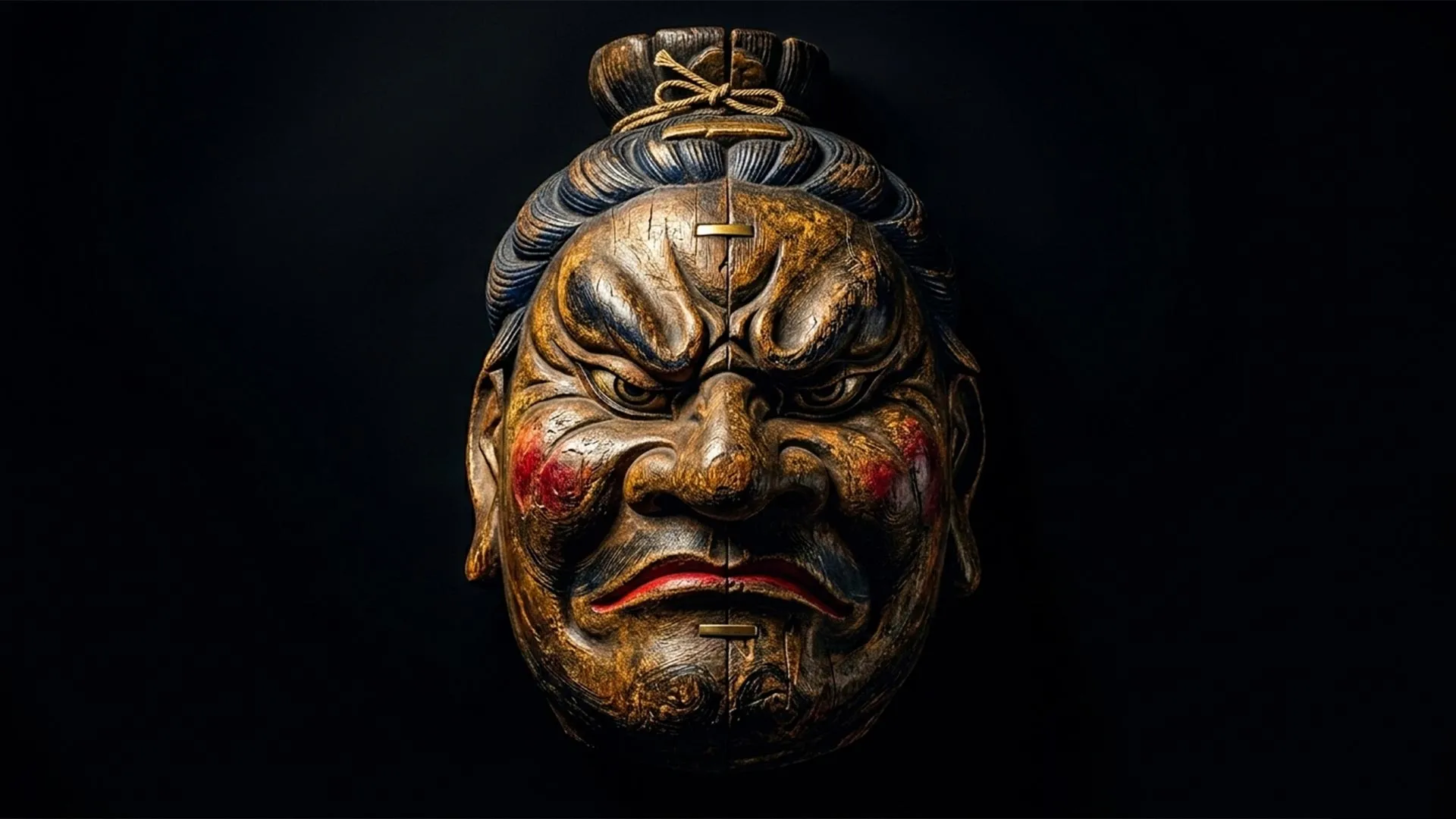
What did the new DNA study discover about Japanese ancestry?
In 2021, a team of scientists led by researchers at the University of Tokyo and the National Institute of Genetics analyzed the genomes of over 3,200 people across Japan. To their surprise, they found evidence of a third ancestral group that had not been accounted for in the dual-origins model. This newly identified ancestry is most prominent in northeastern Japan and appears to be linked to the ancient Emishi people, a group historically described in Chinese and Japanese records as distinct from both Jomon and Yayoi. The study estimates that this third wave entered Japan around 1,500 years ago, possibly from the Korean Peninsula or via a different route, mixing with existing populations to create the diverse genetic landscape seen today.
Who are the Emishi people and how are they connected to the new findings?
The Emishi were a historical group inhabiting the northeastern region of Honshu (present-day Tohoku) during the Yayoi and Kofun periods. Ancient Chinese chronicles and Japanese records, such as the Nihon Shoki, describe the Emishi as having distinct physical features, language, and customs compared to the Yamato (central Japanese) society. They were often portrayed as rebellious frontier people who resisted Yamato expansion. The new genetic study found that modern Japanese from northern Tohoku carry a unique genetic signature that matches ancient DNA samples from Emishi-related archaeological sites. This suggests the Emishi were not simply a subgroup of Jomon or Yayoi, but a separate population that contributed significantly to the ancestry of people in that region. The discovery validates the Emishi as a distinct ancestral stream, overturning the idea that they were merely a cultural or political label.
How did researchers conduct this study and what data did they use?
The researchers used a technique called genome-wide association analysis combined with admixture modeling. They collected DNA samples from 3,256 individuals across seven regions of Japan, including Hokkaido, Tohoku, Kanto, Chubu, Kinki, Chugoku, and Kyushu. They also incorporated previously published ancient DNA from Jomon and Yayoi-era skeletons, as well as data from modern populations in East Asia, Korea, and Siberia. By comparing the genetic variations among these groups, the team could identify distinct ancestral components. The statistical models revealed that the third ancestry component was not simply a mix of Jomon and Yayoi but a separate stream that entered the archipelago later, in the Kofun period (around 300–700 AD). This study is one of the largest and most comprehensive of its kind for Japan, providing a much finer-scale picture of population history.
What health implications arise from the Neanderthal and Denisovan DNA found in modern Japanese?
The study also looked at ancient hominin DNA inherited from Neanderthals and Denisovans. As modern humans migrated out of Africa, they interbred with these archaic humans, leaving traces in our genomes. The researchers found that certain Neanderthal and Denisovan genetic variants are significantly associated with health conditions in the Japanese population. For example, variants linked to type 2 diabetes, coronary artery disease, and prostate cancer were more common in individuals carrying this ancient DNA. Additionally, a Denisovan variant was tied to increased risk of keloid scarring. These findings are important because they show that archaic DNA is not just a historical curiosity—it can actively influence disease risk today. Understanding these links may lead to personalized medicine strategies, especially for conditions that vary across ethnic groups.
How does this discovery change our understanding of Japanese history and identity?
This discovery transforms the traditional narrative of Japanese origins from a simple two-wave model to a more complex tripartite structure. It highlights that Japan's population history is as dynamic as other regions, involving multiple migrations and interactions. The recognition of the Emishi as a distinct genetic group also adds depth to Japan's cultural history, acknowledging the diversity that existed before the Yamato centralization. For modern Japanese, especially those from northern regions, this research validates regional identities beyond the mainstream story. It also opens new questions: Were there other migrations? How did these three groups interact over time? The study encourages a more nuanced view of Japanese identity as a mosaic of ancestral threads, each contributing to the nation's biological and cultural heritage.
Related Articles
- Android XR Signals a New Era for Google’s Wearable Ambitions
- 5 Essential Insights into Ireland's Historic Artemis Accords Signing
- Tesla's $573 Million Windfall: How SpaceX and xAI Are Fueling the EV Giant's AI Ambitions
- Unveiling the Hidden Giant: The Vela Supercluster and the Zone of Avoidance
- Aura Single Flex Pro: The World's First Foldable Portable Monitor Explored
- How Scientists Uncover the True Causes of Lightning: A Step-by-Step Guide
- Massive Cambrian Fossil Discovery Redefines Dawn of Animal Life
- How Cloudflare Built an AI Engineering Stack on Its Own Platform – And Why It's Working